

Daniel 1:8
Faith can be expensive. Faith is revealed in what we decide. Few things are more important in life than making wise decisions because they expose our values and determine direction which can influence our lives years into the future. Others know what we are and what we believe by watching our decisions and how we carry them out in obedience to God.
My Old Testament professor in seminary said,
“The value of our obedience to God is in direct proportion to the attractiveness of the alternatives that we reject to obey God.” Dr. Leon Wood
When there is little attractive to distract us from obeying God, we likely do not please Him nor glorify Him very much. But when we refuse alluring and attractive circumstances to continue to obey the Lord, this must be pleasing to the Almighty. Let’s apply the above quote to the circumstances that Daniel, Shadrach, Meshach, and Abednego faced in Daniel 1. The date was approximately 606 B.C. the Babylonians had captured Jerusalem and taken captives back to Babylon, including Daniel and his three friends.
These four Hebrew teenagers, along with other captives from other nations, were competing for position in Babylonian government service and even in survival. Their lives were not out of danger. Thousands of people they had known back home in Jerusalem had been killed. And they may yet be killed. Life was cheap.
Nebuchadnezzar was grooming the very sharpest, keenest captives for future service in his government. None of these young men were mediocre. Imagine 100, 200, or 300 of the very finest young men undergoing three years of training to “stand before the king.”
Captives had to be old enough to survive emotionally—no longer needing mommy—but young enough to be shaped to become good Babylonians.
Early in the training, Ashpenaz, a Babylonian administrator, announced to these young men, “You are being prepared to lead the Babylonian empire. Three years of rigorous training and education and you will eat the same food the king eats.” Because King Nebuchadnezzar ate the very finest food, can we not imagine a cheer going up at this food announcement?
While most were happy, four young men—maybe seated over in a corner—looked at each other with apprehension. Part of shaping these captives was to give them a name that incorporated a god of the Babylonians (vs. 7). Next came food that had been dedicated to those Babylonians gods. How could a good Jewish young man eat such food that had been used in worship of false gods? Others were thrilled, but the four Hebrews went back to their room to pray, think, and talk.
Think of how attractive it would have been to obey the king’s directive to eat this food:
LAW Once this word came from the king, it was the law of the land. These young men had been taught all their lives to be compliant with the law. The king was making a non-optional investment in their health by providing the best possible food. “Why not just go along with it–it’s the law. We have no choice.”
PUNISHMENT Severe punishment was a very real likelihood if they refused. A burning fiery furnace (chapter 3) and a lions’ den (chapter 6) show how ruthless and violent the Babylonians could be. “We do not want to be thrown into a den of lions.”
NOT ROCK THE BOAT In this kind of situation, one wants to blend in, not make waves or requests, not do anything that would reduce one’s chances of making good. Not add any extra weight to themselves as they competed with a herd of top-quality young men. To object would call attention to themselves and bring down on themselves unwanted scrutiny. “Arrange a special diet?! No way will they do that for us! Let’s not make waves.”
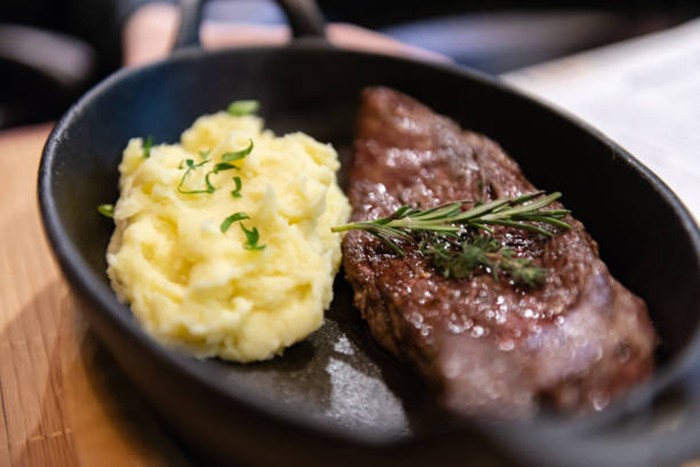
HIGH QUALITY FOOD The food itself would have been very attractive. It was the best possible meat, fruit, breads, delicacies, and desserts. Do young men like to eat? Marilyn and I have two sons, both of whom are six feet tall. It takes a lot of fuel to grow a six-foot body. As teenagers, when they arrived home from basketball practice, they wanted a bowl of cereal at 4:30. By 6:15, they were ready for a full dinner, and by 8:45 they were back in the kitchen “grazing” until bedtime. All the steak and ice cream and extra, extra cheesy pizza one could eat was being commanded to the four Hebrews. Let’s just enjoy it. It will be fabulous!
And what would they eat if they did not go along with the king’s diet? “Pulse” (vs. 12 KJV) is that which is grown from seed, which is vegetables. Three times a day, seven days a week for three years! That’s about 3000 meals of veggies.
WHO WILL KNOW? The four young men were a long way from home. Mom and Dad weren’t watching. Pastor was not around. Are we more prone to sin when normal supportive people are absent? When no one knows and holds us accountable? Yes. We are more vulnerable to temptation when out of our normal environment. We’ve all heard jokes about the immorality of traveling salesmen. Why? They are immoral partly because they are away from the normal restraints of home. “Who will ever know if we eat this food offered to idols?”
OWNED, THINGS; GOD NOT VERY GOOD These young men could have thought, “We are owned, we are things, prisoners. God has not been very good to us. Why should we obey Him?” Our sinful minds think like that. We imagine we can strike back at God for hardship He has allowed in our lives. We can rebel against the shaping hand of God, rejecting the character-building tests of our values. Under pressure, we may say, “I will never go to church again.”
CONSEQUENCES A LONG WAY OUT Suppose they were allowed to not eat the food offered to idols. Suppose they were given vegetables. It would be three years until there would be an awareness of the integrity of these young men (if ever). Best case scenario was that any positive results from their veggie diet were way off on the horizon from the moment the young men had to decide. We have to take care of now! There is so much pressure on us that we need to grasp any and all encouragements . . . now.
So how attractive are the alternatives to doing right and obeying the Lord do you face today?
- “I really need this money which those rich people will never miss.”
- “I deserve this.”
- “I’ve worked so hard for this for a long, long time–I am going to take it.”
- “Others are doing this–why shouldn’t I?”
- “I would love to tell that guy what I think of him.”
Making right decisions is based on faith. Faith that God loves you inspite of negative circumstances. Faith that God is mighty, powerful, and creative enough to take your negatives and weave them back into your life in a way that you will like and that will glorify God. Faith that “all things really do work together for good.”
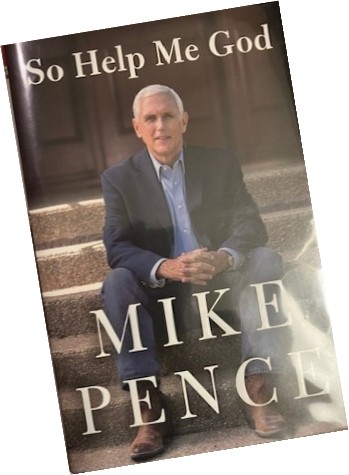
The autobiography of Vice President Mike Pence presents this very challenge. President Trump believed Mr. Pence had the Constitutional authority to reject some electoral votes, thus throwing the 2020 presidential election to him.
Think of how attractive that would have been for Mr. Pence. He would remain the vice-president. He would be secure. He would have the approval of Mr. Trump and multitudes of conservative Americans who believed a significant part of the election was fraudulent. He would have been a hero to the conservatives. And he believed that a Biden presidency would damage the country, so Mr. Pence could have decided his patriotic duty was to retain Mr. Trump in office.
Instead he stood up to Mr. Trump’s withering verbal barrage and did the right thing. Mr. Trump denounced Mr. Pence and spoke of him derogatorily. Mr. Pence disappointed millions of those who had voted for Mr. Trump. Yes, there appeared to be some improper voting and fraudulent election activity. However Mr. Pence continued to defend the Constitution, respecting its divisions and authority structure. Playing off the title of Mr. Pence’s autobiography So Help Me God, I believe Vice President Pence stood up, and God Helped Him. And he will help us as we do right.
Keith Kaynor, July, 2021
Source: A significant part of this article came from a chapel message I heard
50 years ago. When Dr. Leon Wood opened the Book, Daniel walked out of the pages.
Recent Comments